






FROM DATA TO PRACTICE: YOUR COMPASS IN FASTING – DECEMBER 2025
This month in fasting research:
What our most important findings are
The field of fasting research is evolving dynamically. New studies not only broaden our understanding of the potential of fasting, but also provide insights into fundamental processes of human metabolism. Recent work from preclinical and clinical research highlights three themes that appear particularly relevant for the future.
1) The importance of timing and rhythm:
Insights from preclinical research
Studies in rodents make it possible to map the long-term effects of dietary and fasting interventions – developments that are difficult to capture in humans. When interpreted correctly, these models provide important guidance for human studies.
Several new findings underline the importance of duration and regularity:
-
Long-term calorie restriction protected the ovarian reserve and improved insulin sensitivity in female mice – significantly more than short periods of restriction. However, the positive effects only persisted when the reduction was maintained continuously.
-
In another study, time-restricted eating in obese rats stabilised the disrupted immune rhythm in the brain – even when deeper metabolic disturbances remained.
-
A third long-term study showed that, during sustained calorie restriction, the body preferentially supplies vital organs, supports bone health, and saves energy in less central areas.
These findings suggest that the body responds particularly well to consistent, rhythmic fasting signals and thus provide a valuable starting point for future research into healthy ageing and fertility.
2) Individual differences: Why personalised fasting is becoming increasingly important
Fasting has positive effects for many people, but not everyone responds in the same way. The new studies highlight that individual context largely determines which effects occur:
People with primary adrenal insufficiency experienced frequent hypoglycaemia and pronounced fatigue during Ramadan fasting despite medical supervision – a clear indication that some conditions tolerate longer periods without food less well.
Postmenopausal women with hypertension and obesity benefited from clear improvements in cardiac structure and cellular health on a very low-calorie ketogenic diet – a population group that has so far received little attention in research.
New insights into metabolic individuality also help explain why outcomes vary so widely. Some people lose significantly more weight than others, even when they follow the same calorie-restricted diet. Their system appears to be more flexible and better able to adapt. Similarly, a study on the remission of type 2 diabetes showed that even small differences in DNA markers could predict who would respond to a very low-calorie intervention. A simple marker of cellular health, the so-called phase angle, also helped in another study to predict the success of the treatment.
The future of fasting will be personalised – based on individual biomarkers and tailored to each person’s health situation.
3) Der Körper als vernetztes System: Fasten wirkt nie isoliert
Modern research increasingly views the body as a finely tuned network. Recent findings illustrate how closely physiological processes are interwoven:
- People who remain physically active during caloric restriction are better able to maintain muscle strength and metabolic health – an effect that is consistent with our own clinical experience.
- In oncology, it has been shown that, under nutrient deprivation, tumor cells cooperate by exchanging protein building blocks. Simply reducing calories is therefore not sufficient to selectively starve tumors.
- Microbiome research is also advancing: instead of focusing on individual bacterial strains, attention is turning to functional groups that act together, help stabilize blood glucose levels, and support healthy circadian rhythms.
- Blood from young, intermittently fasting rats reduced inflammation and improved intestinal structure in older animals – an indication that fasting generates systemic signals that reach many tissues.
The key insight is this: fasting acts through biological networks, not through isolated mechanisms. A systemic perspective opens the door to new and improved therapeutic possibilities.
Outlook: What our research team is currently working on
Our aim is to present scientific findings in a way that makes the practical application of fasting safe, effective, and easy to understand. At our clinic in Marbella, we are currently conducting a study on physical activity during fasting – building on previous data showing how crucial movement is for preserving muscle health. Using DEXA scans, we can measure changes in body composition with much greater precision and tailor future programmes even more closely to individual needs. As always, we closely follow international research to contribute to a sound, evidence-based understanding of fasting and metabolic health.

What you can take away for yourself
Our scientific mission is to translate new insights into practical recommendations that support safe and effective fasting.
We are currently conducting a study on physical activity during fasting at our clinic in Marbella, building on previous research showing that movement helps to preserve muscle health. In addition, the clinic uses DEXA scans to obtain a more precise picture of changes in body composition. This enables us to further refine and improve our programmes.
As always, we will continue to follow new research findings closely – with the aim of contributing to a more precise and evidence-based understanding of fasting and metabolic health.
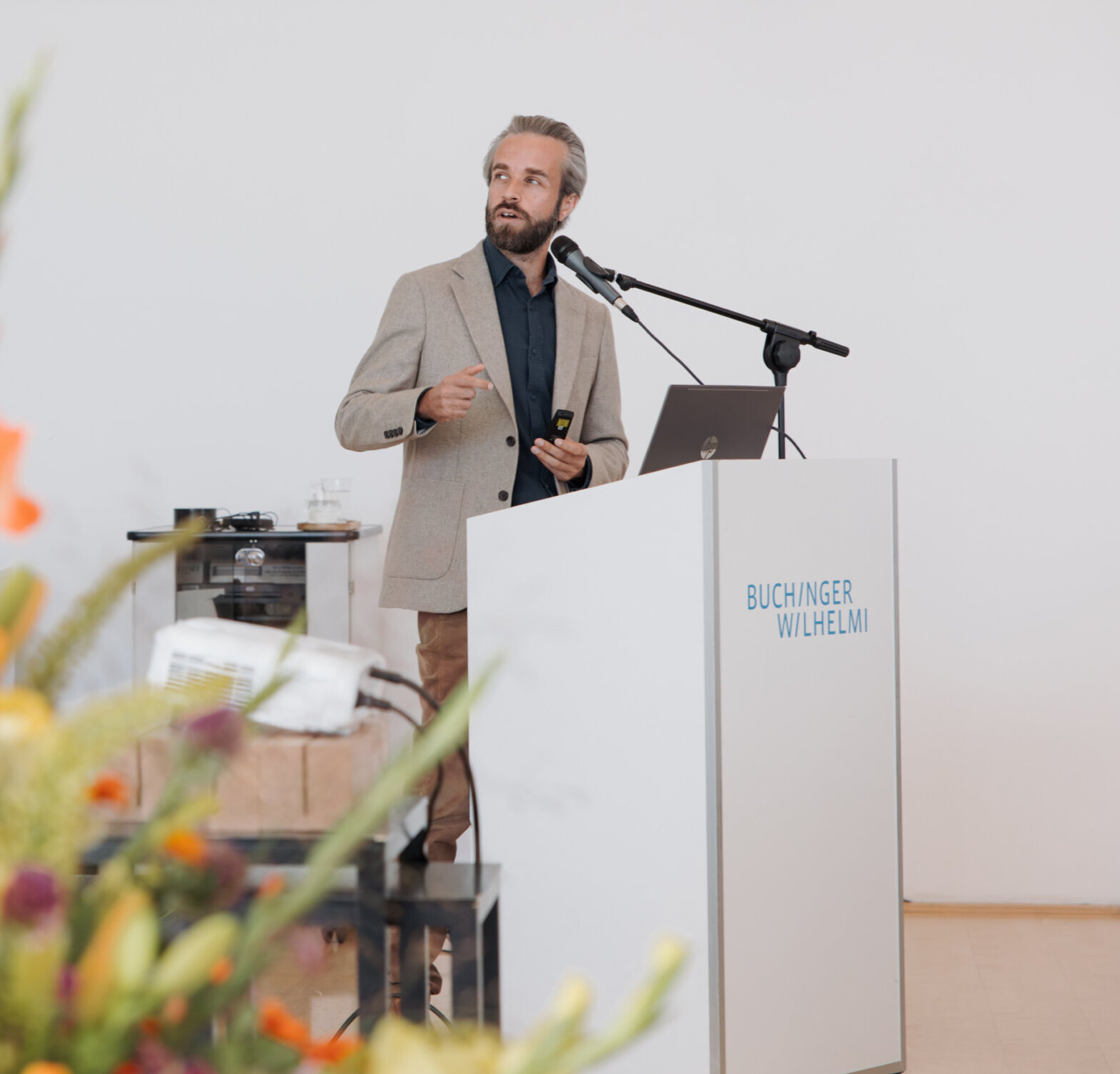
Dr Robin Mesnage is the Scientific Director of the Buchinger Wilhelmi clinics and documents the effects of fasting in clinical studies while integrating modern diagnostics into therapy. As a Research Fellow at King’s College London, he investigates the role of the gut microbiome in the benefits of plant-based nutrition. He advises public authorities – including the French government and, occasionally, the European Parliament – on the regulation of chemical pollutants and is a sought-after speaker. With more than 100 publications and over 8,000 citations, he ranks among the top 1% of most-cited researchers worldwide in the field of environment and health.