


OUR NOVEMBER HIGHLIGHT IN MARBELLA
Longevity Congress 2025: Over 150 Experts Focused on Movement
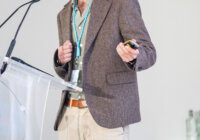
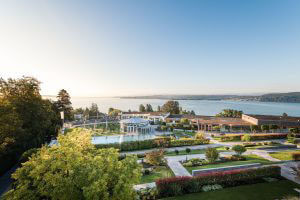
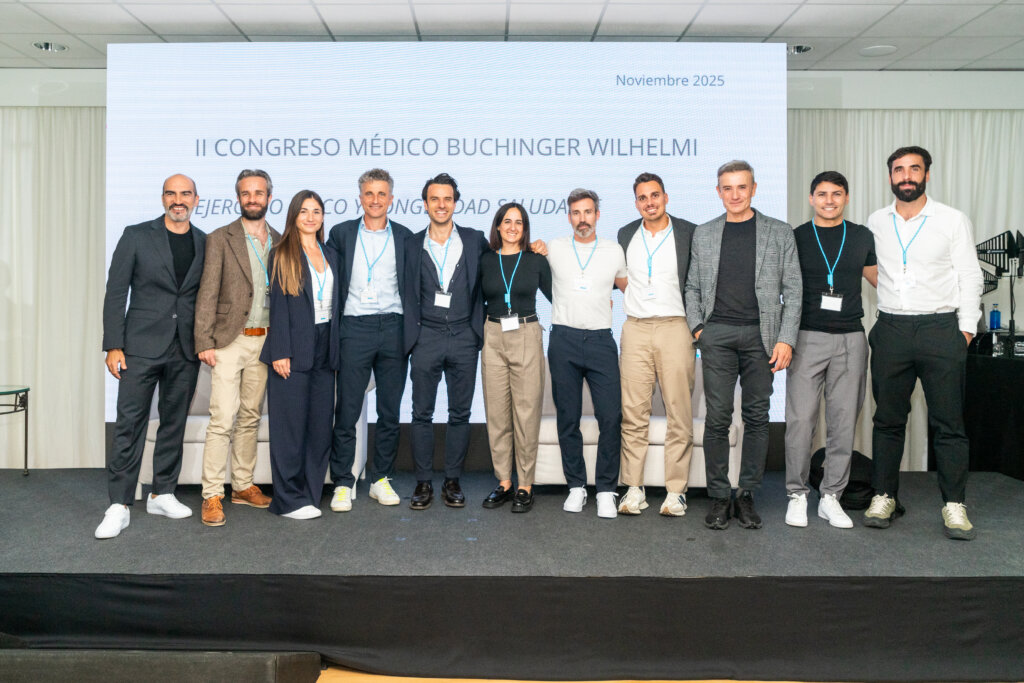
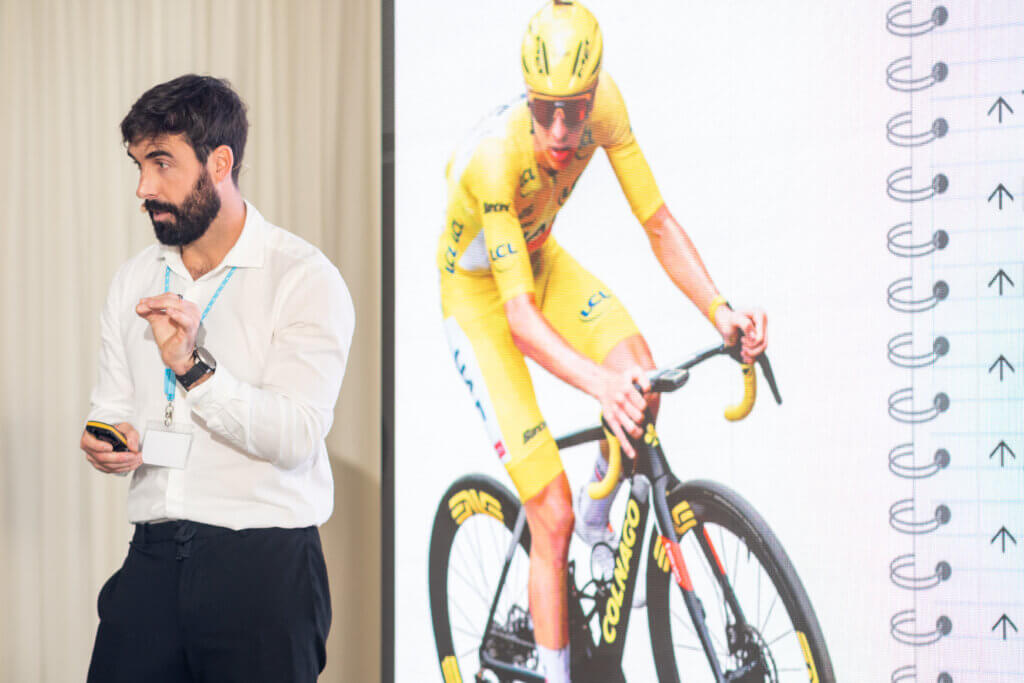
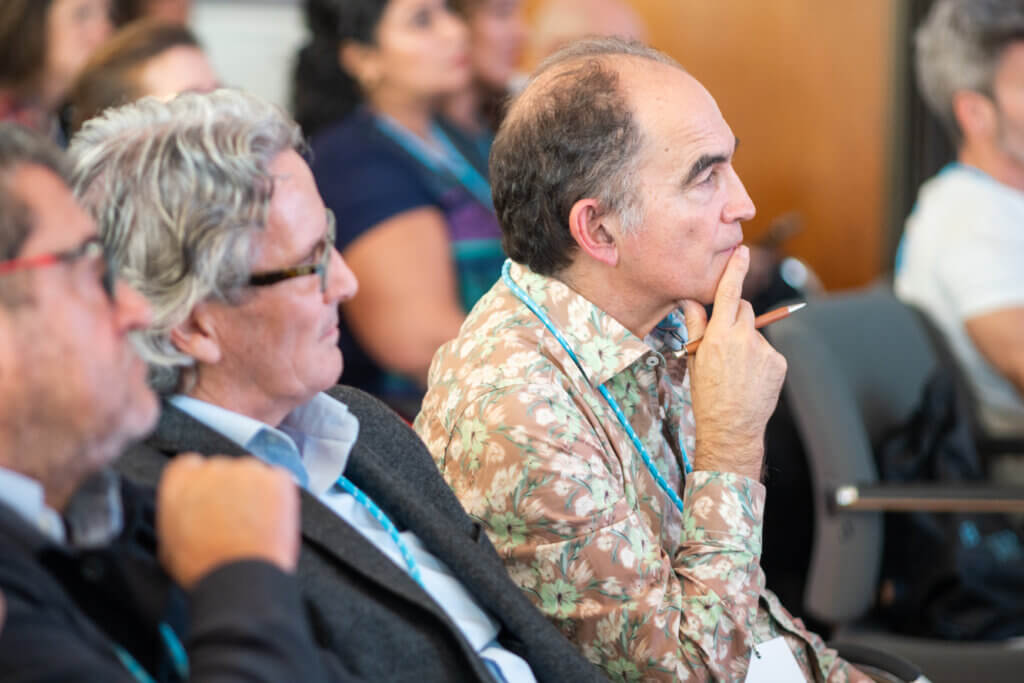
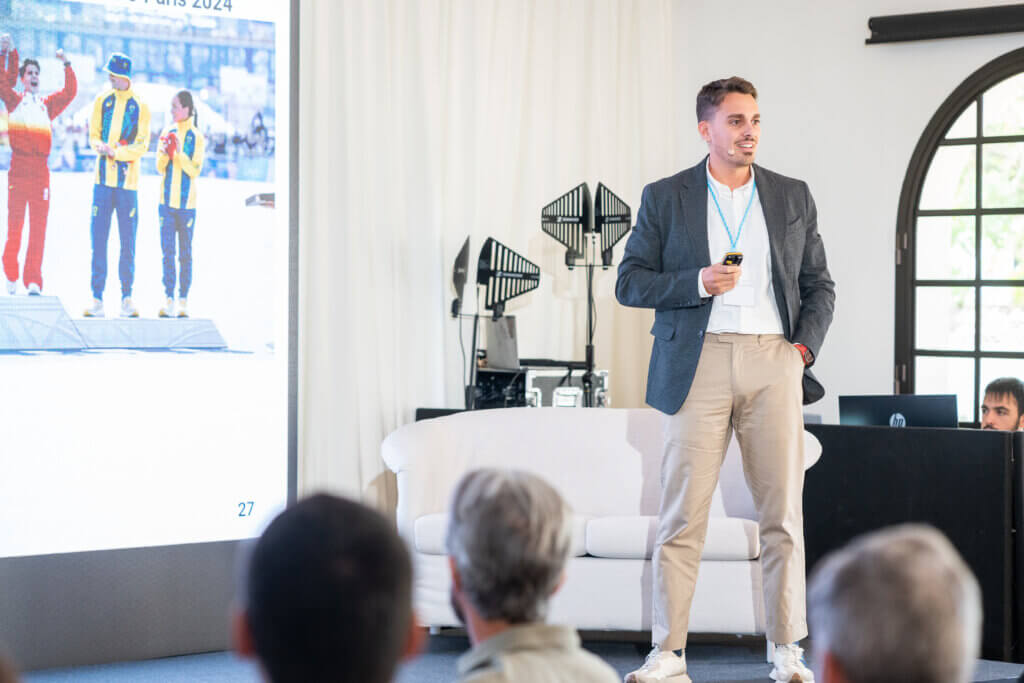
The congress on physical activity and healthy longevity, held on 22 November 2025 at the renowned Buchinger Wilhelmi Clinic in Marbella, brought together more than 150 participants, including healthcare professionals, longevity experts, researchers, patients and wellness enthusiasts.

By loading the video, you agree to YouTube's privacy policy.
Learn more
Highlights of the Longevity Congress
The event combined science, clinical practice and transformative experiences, placing a strong focus on promoting a long and healthy life through key pillars such as fasting, physical activity, nutrition and mental well-being.
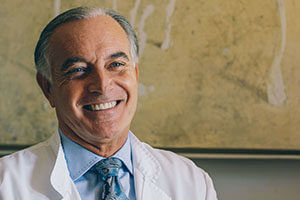
The day began with a welcome address by Victor Wilhelmi, Clinic Director of the Buchinger Wilhelmi Clinic in Marbella, a position he shares with Katharina Rohrer. He presented the history and development of the Buchinger method and the principles of therapeutic fasting, highlighting its numerous health benefits and its role as a turning point towards a more conscious approach to longevity.
This was followed by a talk from Dr Younes Regragui, Medical Director, who spoke about the importance of physical activity within the clinic’s integrative medical approach. He explained that the correct prescription and understanding of movement become a key element in improving patients’ quality of life.
Facundo Diamante, Head of the Movement Team, emphasised that merely living longer is not enough: “The real challenge is to truly live that time.” He underlined that structured, diagnostics-based training empowers patients and reduces mortality in a medication-free way.
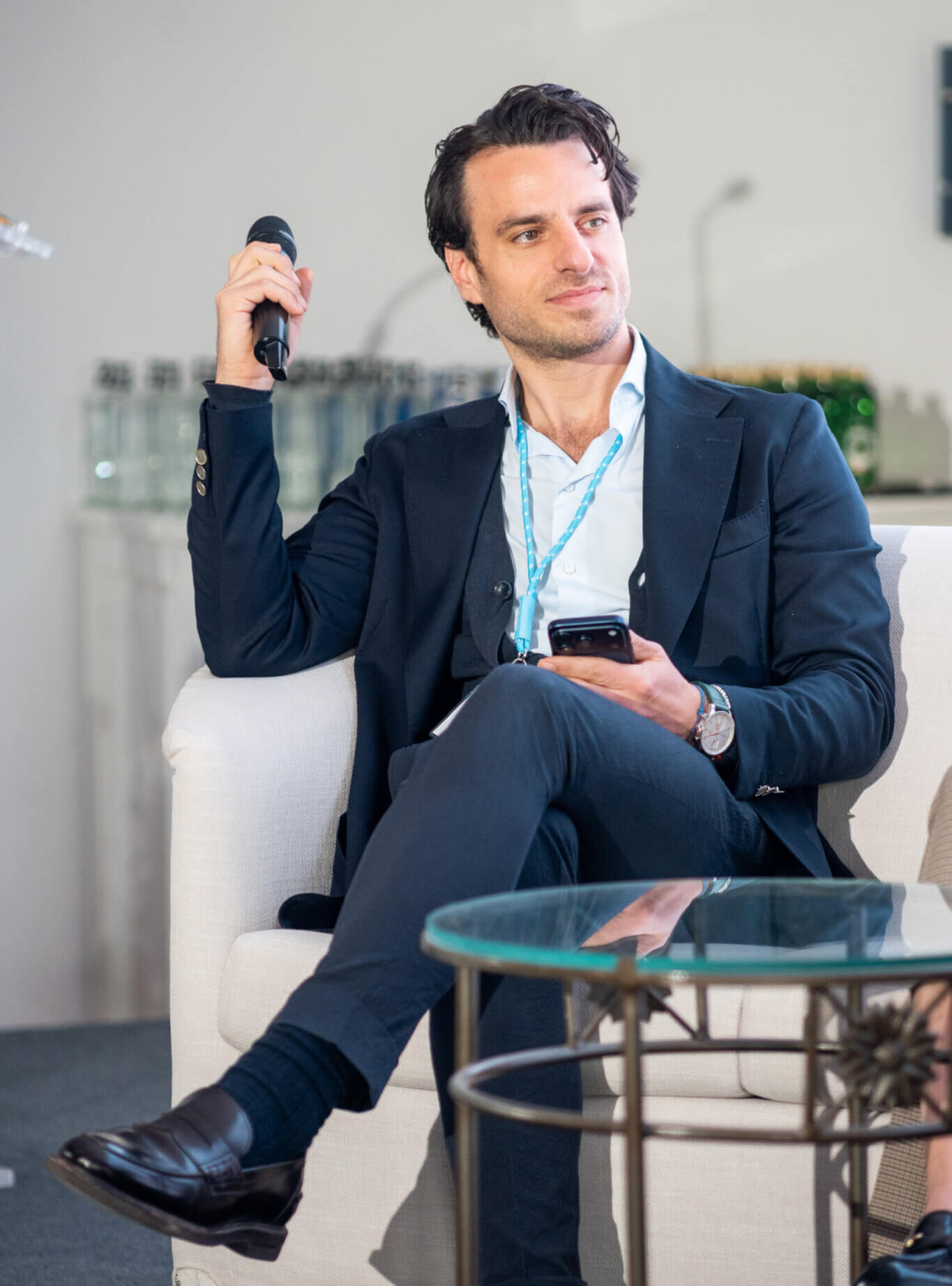
Victor Wilhelmi
Scientific Studies and Exercise Prescription
Dr Robin Mesnage, Scientific Director at Buchinger Wilhelmi, presented findings from the Genesis Study showing that fasting does not impair muscle mass; on the contrary, it can even enhance physical strength. He explained that during fasting, the body uses fat as its primary energy source, which benefits muscle cells. In addition, hormonal changes occur that promote muscle growth after the fasting period. At the clinic, patients can engage in up to 14 hours of supervised physical activity per week.
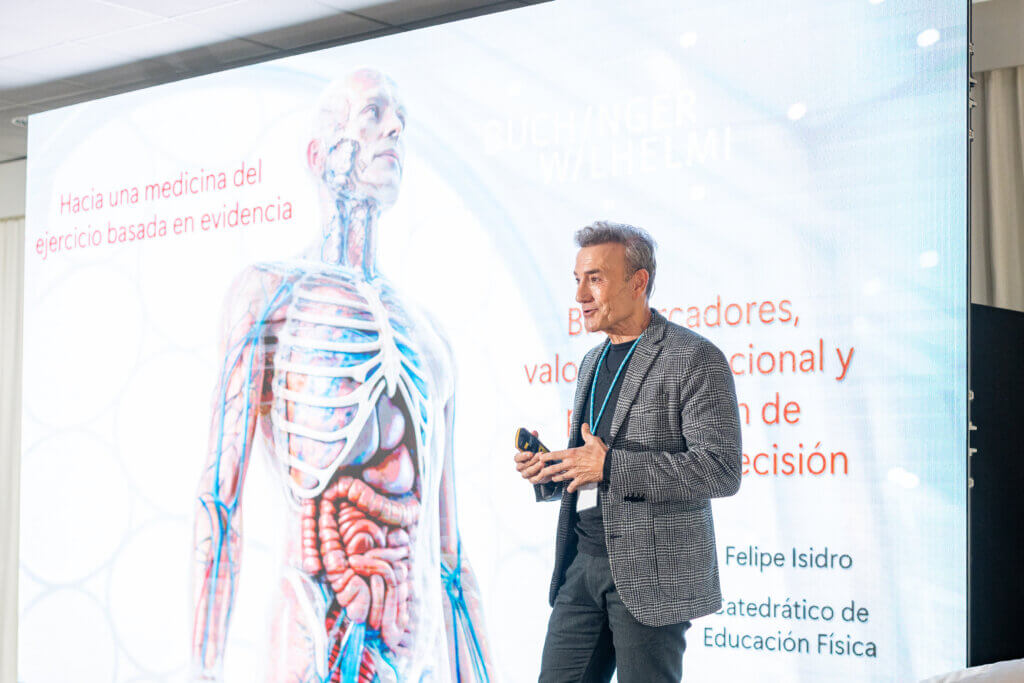
Felipe Isidro Donate, Professor of Sports Science, delivered an outstanding presentation on the need for genuine evidence-based movement medicine. He noted: “The body is an instrument, the nervous system its conductor, biomarkers are the score, and functional tests are the notes.” With this metaphor, he advocated for a finely tuned, individualised and therapeutic exercise prescription tailored to a person’s unique characteristics and life stages.

Dr. Robin Mesnage
He emphasized that physical activity is not a luxury but a biological necessity, and that well-prescribed training not only improves quality of life, but is an investment in the prevention of premature death and enables active, healthy longevity.
Metabolism, Nutrition and Mental Well-being
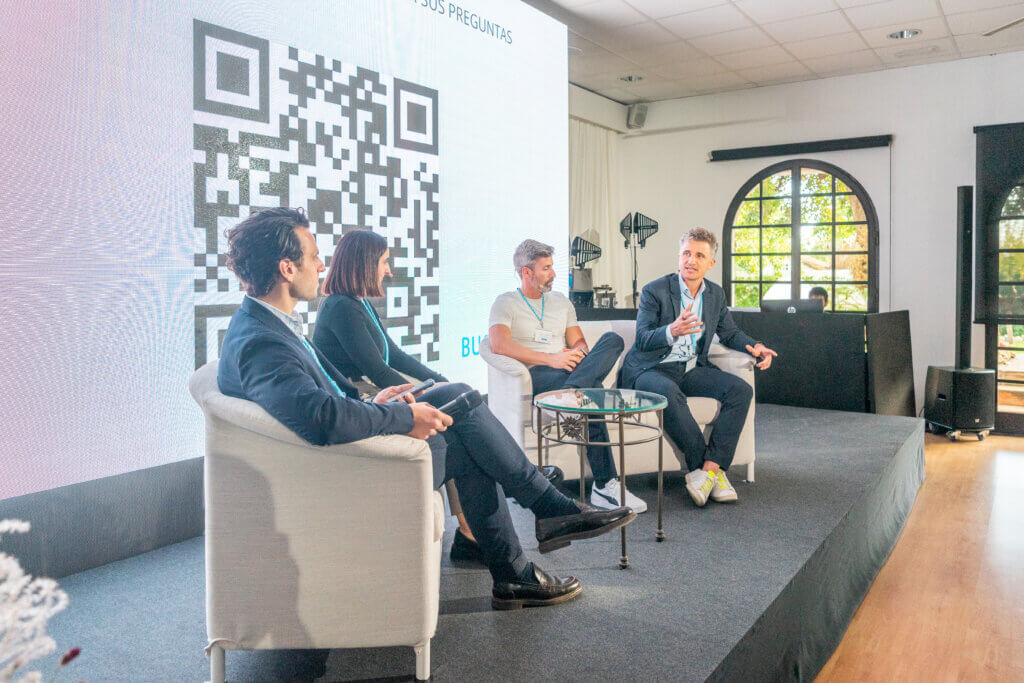
After a panel discussion moderated by Facundo Diamante, the lecture “More Than Just Biochemistry” followed, led by Borja Martínez Téllez (Ramón y Cajal Researcher, University of Almería) and Adrián Castillo García (FISSAC). They discussed metabolism from a holistic perspective that goes beyond purely physiological aspects.
Dr Carmen Rodríguez García, nutrition expert, explained how an appropriate nutritional strategy at the onset of physical activity can promote healthy physical adaptations and emphasised the role of nutrition in physical transformation and overall well-being.
Chronobiology, Mental Health and Movement in Harmony with the Body’s Rhythm
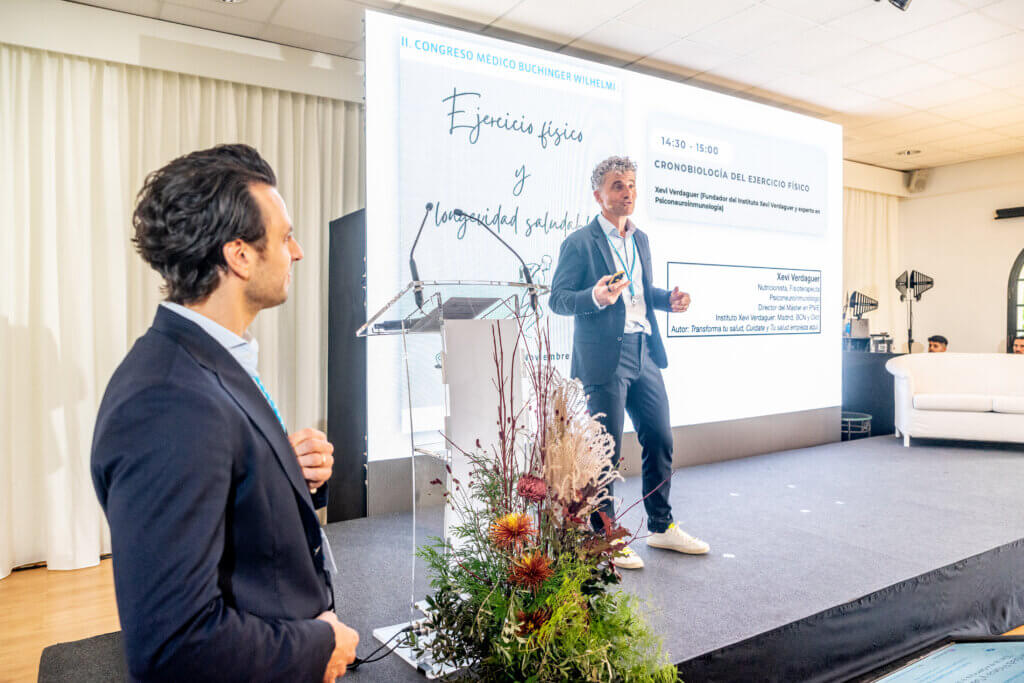
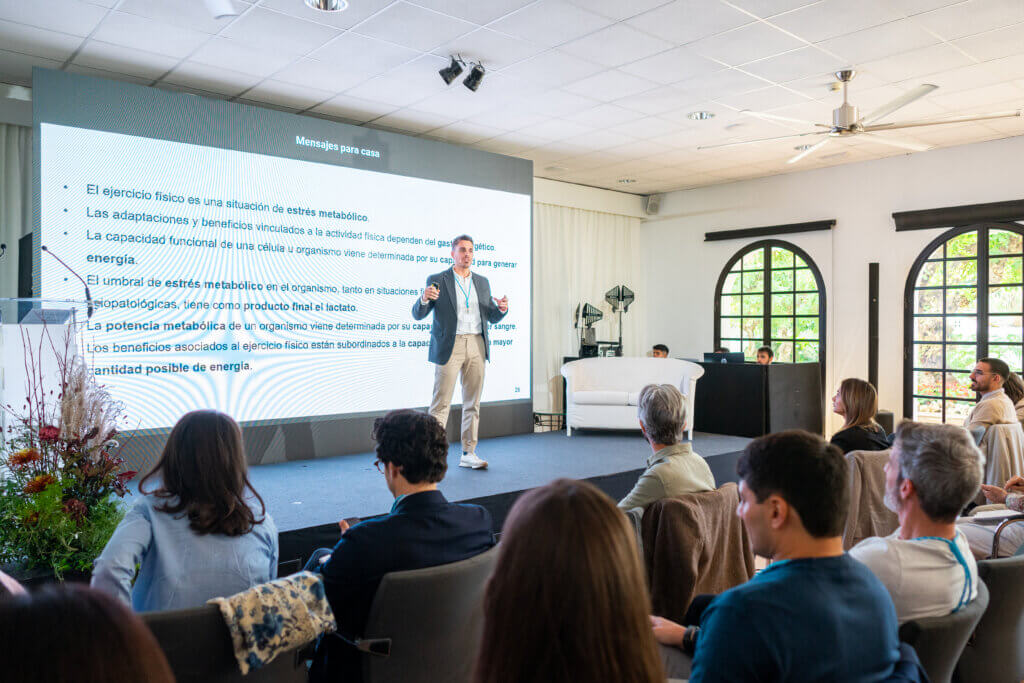
The afternoon began with a presentation by Xevi Verdaguer, a renowned expert in psychoneuroimmunology, who explained how light and the circadian rhythm directly influence health and physical performance. He emphasised that the timing of exercise has different metabolic effects and that regularity and synchronisation with the body’s internal rhythms are decisive factors for healthy longevity.
María Rodríguez Ayllón, PhD in Biomedicine, shed light on the connection between physical activity and mental health. She explained that Spain has high rates of depression and anxiety disorders, particularly among young women, and that exercise can be an effective tool for preventing and improving mental health, provided it is prescribed individually, professionally and under supervision. She highlighted that self-esteem is the main mechanism that improves through physical activity.
Exercise for Osteoporosis Prevention in Women
The final lecture was given by Manuel Martín Olvera, an expert in bone health and co-author of the book Exercise and Osteoporosis, who explained exercise strategies to protect bone mass during perimenopause. He emphasised that bone tissue is highly sensitive to physical stimuli and that the progression of osteoporosis can be halted through strength training, controlled jumps and exercises involving changes in posture, always with the goal of stability and progressive intensity.
The day concluded with a closing panel moderated by Victor Wilhelmi, during which questions from the audience were answered and the key insights of the congress were summarised. The closing remarks offered not only an integrative reflection, but also a striking, almost humorous message from Wilhelmi, who captured the spirit of the day in a sentence that elicited smiles and agreement: “Longevity begins every morning: jumping in a fasted state could be the first step.”
During the congress, participants enjoyed a healthy breakfast and a delicious lunch prepared with seasonal and regional ingredients by Fernando Sánchez, Executive Chef of the Buchinger Wilhelmi Clinic Marbella, and his highly professional and dedicated kitchen team. These culinary offerings provided not only energy and well-being, but also valuable moments of exchange, in line with the clinic’s philosophy of uniting pleasure and health through mindful eating.



The Speakers
Victor Wilhelmi, Clinic Management, Buchinger Wilhelmi Marbella
Dr Younes Regragui, Medical Director, Buchinger Wilhelmi Marbella
Facundo Diamante, Personal Trainer, Buchinger Wilhelmi Marbella
Dr Robin Mesnage, Scientific Director, Buchinger Wilhelmi Überlingen
Felipe Isidro Donate, Professor of Sports Science
Borja Martínez Téllez, Ramón y Cajal Researcher, University of Almería
Adrián Castillo García, FISSAC
Dr Carmen Rodríguez García, Nutrition Expert
Xevi Verdaguer, Expert in Psychoneuroimmunology
María Rodríguez Ayllón, PhD in Biomedicine
Manuel Martín Olvera, Bone Health Expert and Author
You might also be interested in: