


INTERVIEW WITH DR TANJA JUNGE
Holistically supporting the heart muscle
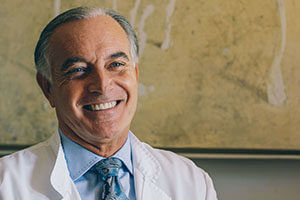
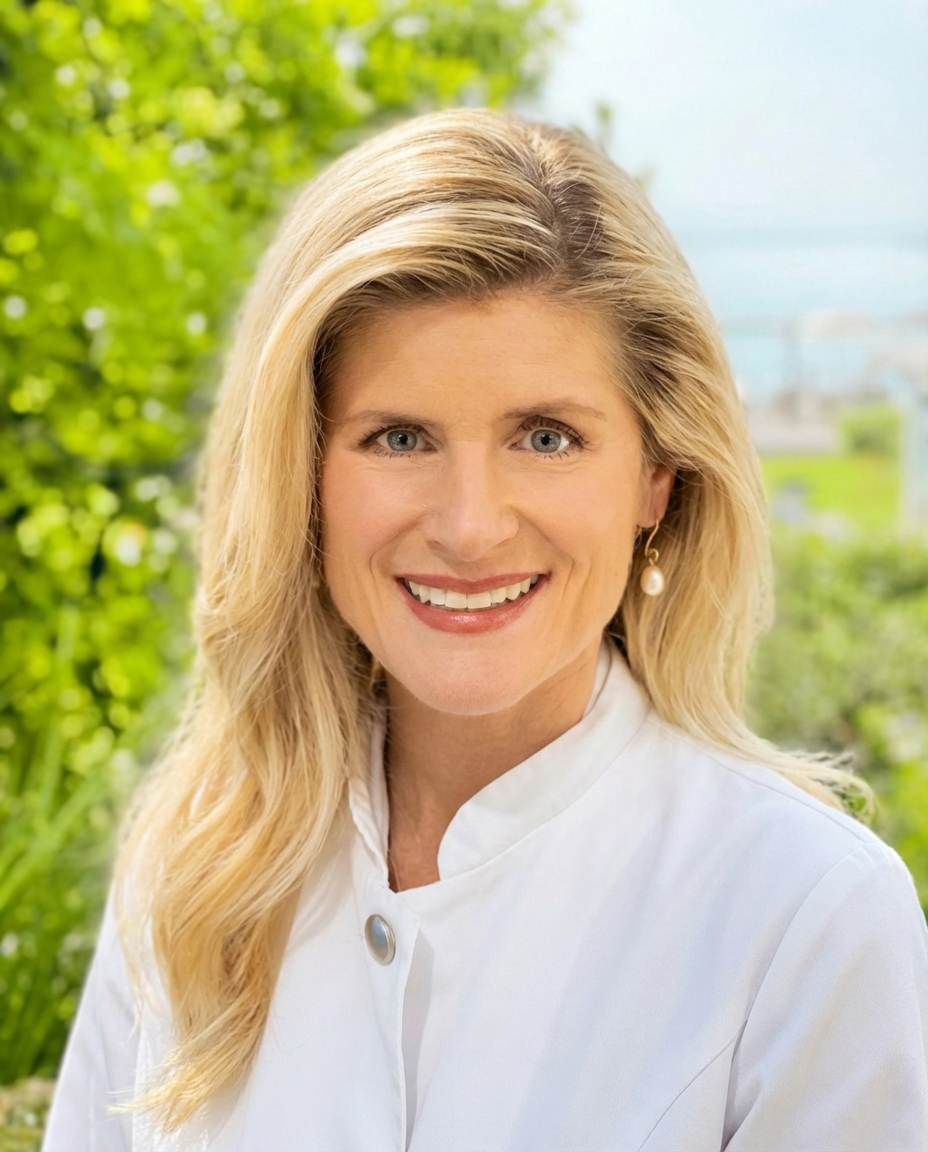
The heart is more than a pump. It responds to our daily lives, to stress, nutrition, movement, and inner attitude. Dr. Tanja Junge, Head of Cardiology and Diagnostics at Buchinger Wilhelmi in Überlingen, combines classical cardiology with internal medicine, nutritional medicine, and naturopathy. In this interview, she explains why modern heart health begins long before the first illness, why prevention now plays a central role, and how advanced diagnostics can make hidden risks visible. She also highlights the role therapeutic fasting can play for the heart: it may reduce inflammatory processes, improve the cardiometabolic profile, and help people move from a state of constant strain into a state of regeneration. Drawing on her experience with guests, Dr. Junge describes how personalised diagnostics, structured fasting programmes, physical activity, and mindful lifestyle changes work together. She also explains why a sense of self efficacy may be the single most important protective factor for the heart.
Hello Dr Junge. Could you tell us a little about your path into medicine and what drew you to cardiology and preventive medicine?
I have always been a curious person, and human medicine brought together everything that interested me. It allows you to combine science, practical problem solving, contact with people, and a kind of detective work. You look at symptoms, test results, and medical history, and then piece together what is really happening in the body. This blend of logic, intuition, and human connection has fascinated me from the very beginning.
My training began in internal medicine, which gave me a broad foundation. Over time, I specialised further and became a cardiologist, working for many years in classical hospital cardiology.
In that setting I did almost everything, from intensive care and cardiac monitoring to catheter procedures, stents, and pacemakers. In parallel, I completed further training in nutritional medicine, naturopathy, and orthomolecular medicine, and later focused on modern cardiac imaging. For me, there were always two paths: on the one hand, highly specialised conventional cardiology, and on the other, prevention, the question of how we can keep people healthy long before they ever need invasive procedures.
Internal medicine, cardiology, nutritional medicine, and naturopathy is an unusual combination. How did these interests come together?
For me, these fields were never separate. In cardiology we have long known that high blood pressure, cholesterol, diabetes, smoking, excess weight, and stress are the main drivers of heart disease. Yet clinical practice often focuses more on repair than on prevention. I have always asked myself what we can do earlier and which tools exist beyond medication and procedures. That curiosity naturally led me to Chinese medicine, nutritional medicine, orthomolecular medicine, and approaches that strengthen the nervous system and the body in its overall function.
At the same time, I continued to train in advanced cardiac diagnostics, including CT imaging and detailed ultrasound techniques that can detect early plaque formation and make risks visible that are often overlooked in routine care.
By combining these perspectives, I was able to develop truly individual preventive programmes. At two prevention centres in Munich, which I led as Medical Director, comprehensive diagnostics were used to design personalised programmes for nutrition, physical activity, and long term health. These experiences showed me that an integrative, preventive approach that brings together the best of all disciplines is essential for sustainable results. A life that does not align with one’s own values can be a major strain and can even contribute to illness. Here, too, it becomes clear that psychology and medicine are inseparable. This makes prevention all the more important.
What motivated you to move to Buchinger Wilhelmi, and in your view, what is unique about our therapeutic approach?
Buchinger Wilhelmi is one of the few places where conventional and integrative medicine can truly be combined on a daily basis. We have an outstanding medical team with specialists across many disciplines, alongside a strong foundation in therapeutic fasting, mind body medicine, and conscious lifestyle change. For a preventive cardiologist, this is an ideal environment. Our guests arrive with a willingness to change. They are curious, motivated, and often already know that medication alone is not enough. That creates a completely different setting than an overstretched hospital outpatient clinic.
Here, we can carry out high quality diagnostics, show people their actual risk status, and translate it directly into an individual plan. These programmes can combine fasting, nutritional counselling, targeted physical activity, naturopathic or orthomolecular support, and guests often feel the effects during their stay. This combination of excellent diagnostics, structured fasting, comprehensive lifestyle support, and a highly motivated guest population is exceptional.
Which cardiovascular or metabolic changes do you most commonly observe in guests during a structured fasting programme?
Many guests arrive with cardiometabolic syndrome, consisting of central obesity, elevated blood pressure, disturbed blood lipids, and early changes in glucose regulation. Even during a single stay, particularly with a fast of at least ten to fourteen days, we usually see clear improvements. Blood pressure often decreases, inflammatory markers fall, visceral fat is reduced, and parameters associated with insulin resistance improve. For many, it is the first time they can feel what it is like when the body moves out of constant metabolic strain and into a state of regeneration. That experience can be very powerful and makes it easier to sustain long term changes after the stay.
Are there common misconceptions about fasting and heart health?
Most guests who come to us are already convinced that fasting can help them. The more common misconception, especially within conventional cardiology, is the extent to which people underestimate their own biological capacity. Many place more trust in medication and procedures than in the body’s ability to change through lifestyle. Fasting often corrects that perspective. It is not a diet, but a structured reset of the entire organism. People discover that they are far stronger and more adaptable than they thought. This is essential for heart health because it shifts the perspective: risk is not something fixed, but something we can actively influence.
How do you assess a guest’s cardiovascular risk when they arrive, and how do you turn that into a tailored plan?
We start with a thorough medical history and examination and then use a range of diagnostic procedures to build a precise picture of risk. Alongside standard measurements such as cholesterol and glucose, we also look at markers such as lipoprotein, apolipoprotein B, oxidised LDL, and enzymes that can indicate plaque inflammation. These parameters help us distinguish whether people with similar “standard values” may still carry very different risk profiles. Imaging is equally important. Ultrasound examinations of the heart and major arteries show how the heart muscle and valves are functioning and whether there are early structural changes that point to hypertension or atherosclerosis.

If needed, we perform an exercise test while measuring pulmonary gas exchange via a mask to understand how the heart and lungs work together under exertion. We also use long term ECG monitoring with heart rate variability analysis to assess autonomic regulation and rule out relevant arrhythmias. For blood pressure diagnostics, we use cuffless long term monitoring to track blood pressure continuously without disruptive compression. Based on these findings, we create a precise, individual risk profile and develop a programme combining fasting, exercise, lifestyle measures and, if required, medication.
Prevention is evolving rapidly, with a growing focus on metabolic health, inflammation, and longevity. Which developments are you particularly excited about, and how can Buchinger Wilhelmi contribute?
What excites me most is the growing focus on inflammation, oxidative stress, and mitochondrial health. This perspective enables a far deeper understanding of cardiovascular risk than looking at blood pressure or cholesterol alone. Fasting plays an important role here because it can reduce chronic inflammation and improve metabolic flexibility. At the same time, modern diagnostic methods allow for a precise assessment of plaque stability and vascular health. I am also encouraged by the increasing interest in the structured combination of nutrition, physical activity, targeted supplementation, and stress regulation. These integrative strategies can meaningfully complement conventional cardiology by positively influencing the internal environment of the vessels and the heart muscle, and they are gaining growing recognition in modern prevention. Buchinger Wilhelmi offers a unique setting for this. With motivated guests, scientifically grounded fasting programmes, and a multidisciplinary team, we can develop precise, practical preventive concepts and apply them directly.
What motivates you most in your daily work?
For me, the most important thing is seeing people become more vital and more confident. Many arrive tired, worried, or sceptical. When they leave, you often see a spark in their eyes. They have experienced that their body can respond, adapt, and improve. I also greatly value the international environment. Guests from very different cultures and health systems bring a wide range of perspectives. Every encounter teaches you something new. Professionally, it is inspiring to work with such a highly qualified and open minded team, where everyone contributes their expertise.

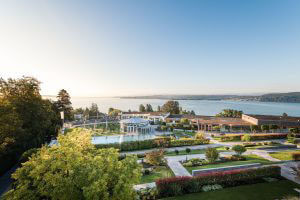
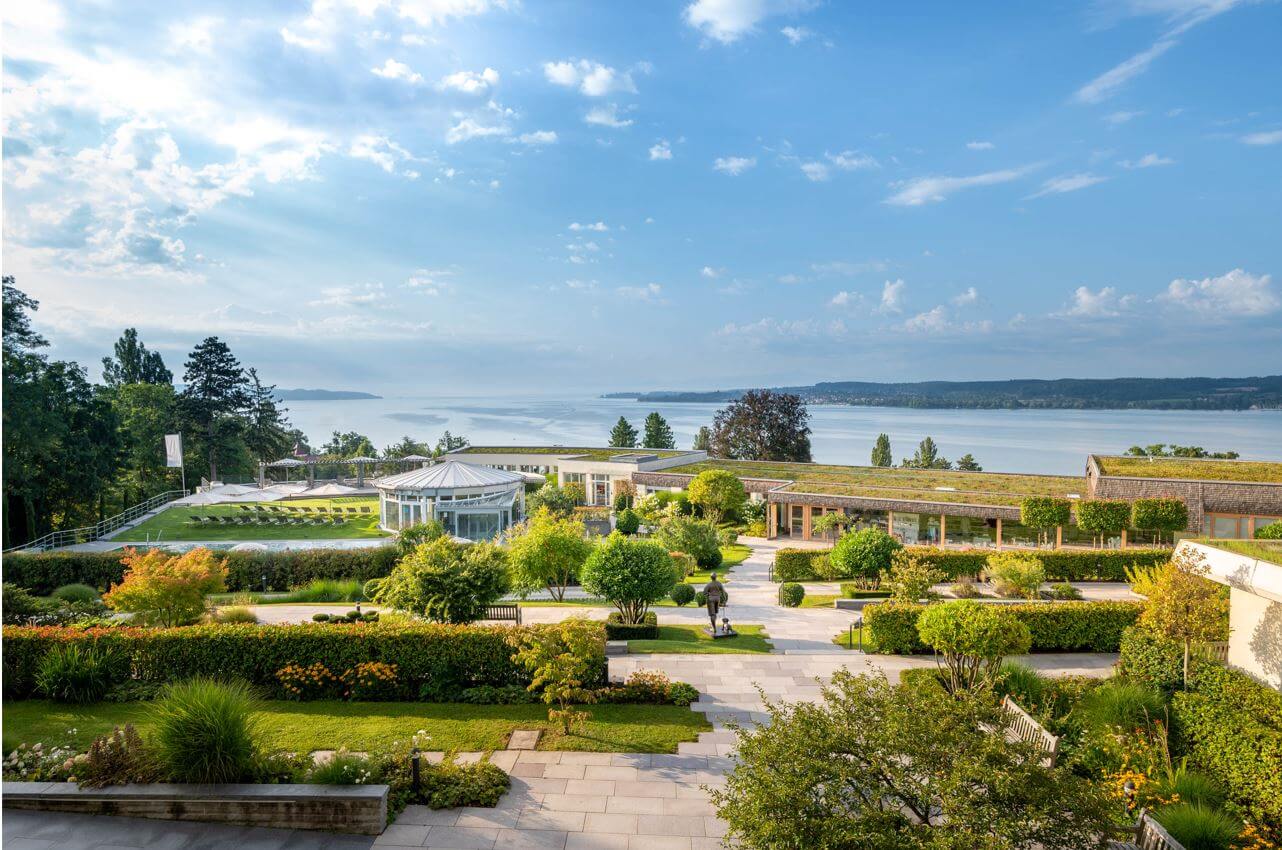
We learn from one another and create things together that none of us could achieve alone. The setting also plays a part. Nature, the lake, and the mountains support guests and staff alike. It is easier to speak about balance and regeneration when you work in an environment that embodies these values.
What would you like guests to take away from their time with you?
Above all, a sense of self efficacy. Cardiovascular disease rarely develops suddenly. It evolves over many years and is strongly shaped by our daily lives. That means there is a great deal we can influence. When guests understand what their individual risk factors are doing in the body, recommendations become logical and clear. My hope is that people go home thinking, “I understand my heart, I know which levers I can adjust, and I trust that my choices make a difference.”
If you had to give one practical piece of advice for long term heart health, what would it be?
If I had to choose one word, it would be balance. The cardiovascular system thrives in balance, not in extremes: balanced nutrition, regular but not excessive physical activity, periods of recovery alongside activity, and a realistic way of dealing with stress. Fasting can help restore this balance when it is carried out in a structured way and with good support. It acts like a controlled metabolic reset and helps the cardiovascular system return to a more stable, healthier state.
You might also be interested in: