



IN CONVERSATION…
“Fasting Brings Us Back to Ourselves”
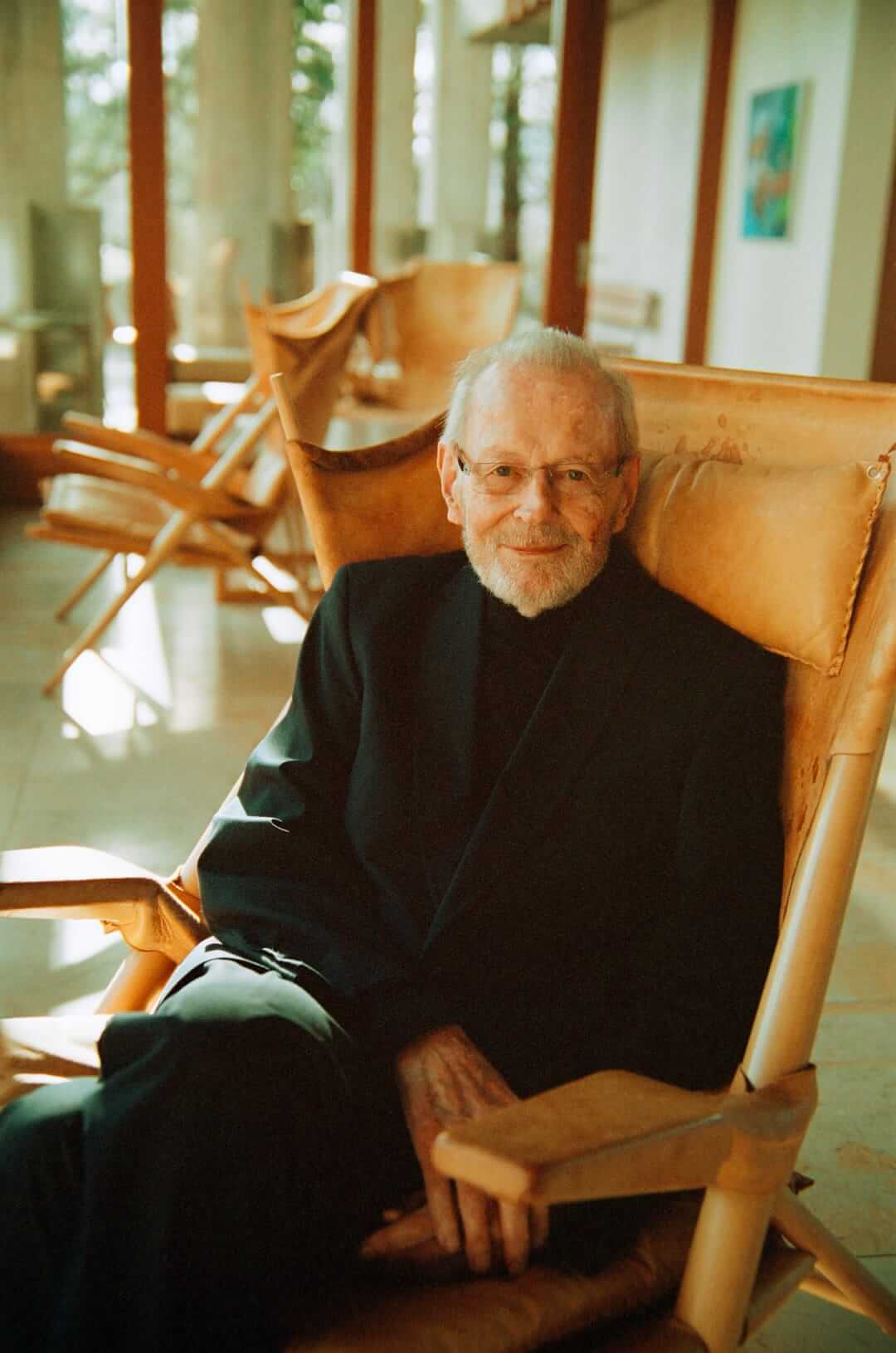
Niklaus Brantschen, Swiss Jesuit priest and Zen master, has had a close relationship with the Buchinger family for many years and is a regular presence at the clinics, where he has led fasting and meditation retreats. An author of several books on spirituality, meditation and Zen, he brings together two traditions that have shaped much of his life and work.
For this first issue of Buchinger Times, dedicated to Inner Calm, we asked him five questions about fasting, meditation and stillness — and about what happens when we allow ourselves to slow down and turn inward.
What does meditation bring to fasting — and fasting to meditation?
Otto Buchinger used to say, “Fasting is, essentially, a matter of stillness.” Meditation leads us into that stillness, into the power of stillness. In that sense, the two share a deep affinity. And that affinity can be expressed in a single word: stillness.
After decades of leading fasting and meditation retreats, do you feel people arrive differently today — more stressed, distracted or scattered?
I’m old, and I’ve forgotten what people were like twenty, thirty or forty years ago. I take people as they are. I don’t ask myself whether they’re tired, motivated or stressed. I simply take them as they are and invite them to come back to themselves, to become part of the group, to allow themselves to be supported by it, and to contribute to supporting the group in return.
It’s rather pointless to ask what things were like in the past. The people are here now. And fundamentally, what they’re searching for is nothing other than themselves. They want to come back to themselves. To feel at home within themselves.
For someone who has never meditated before, what happens when they begin fasting? Does the mind become more receptive?
When someone begins fasting, they become more receptive to stillness. And through that, they begin to develop a taste for meditation as well.
In a world of constant stimulation, why has stillness become so difficult — and perhaps so necessary?
What is stillness? Stillness is life. Life doesn’t make noise. Nature doesn’t make noise. It makes sounds, but not that intrusive, overwhelming, disturbing kind of noise. Nature itself is stillness.
Stillness is already there. I can sit down in stillness, surrender myself to it and allow it to work upon me. We cannot manufacture stillness.
What prevents stillness from having its effect is all our fussing and talking, and the countless problems we keep turning over in our minds. There are thoughts that are necessary. But there are also so many problems we occupy ourselves with that are entirely unnecessary. They are luxury problems. And we can simply let them go.
After all these years, what still surprises you about what people discover when they fast and sit in stillness?
Nothing surprises me anymore. But the beautiful thing about it — and in a sense, what I still find remarkable — is this combination of fasting and meditation.
Through the physiological processes of fasting, a person naturally begins to turn inward. They come back to themselves. They slow down. And that, in itself, is already meditation — if we allow it to happen.
What matters is that meditation is approached with the necessary openness. Not with the attitude of wanting to become fit as quickly as possible, or to achieve something, but rather with an inner attitude that says: “I am willing to enter into this practice. It is a practice with a long tradition. It carries a great richness. It has helped many people before me. And I enter into it with complete trust.”
And then I find myself amazed by everything that unfolds.
Try it. All I can say is: “Nothing good happens unless you actually do it.”