






ACROSS TRADITIONS, A COMMON PRACTICE
When Christians and Muslims fast together
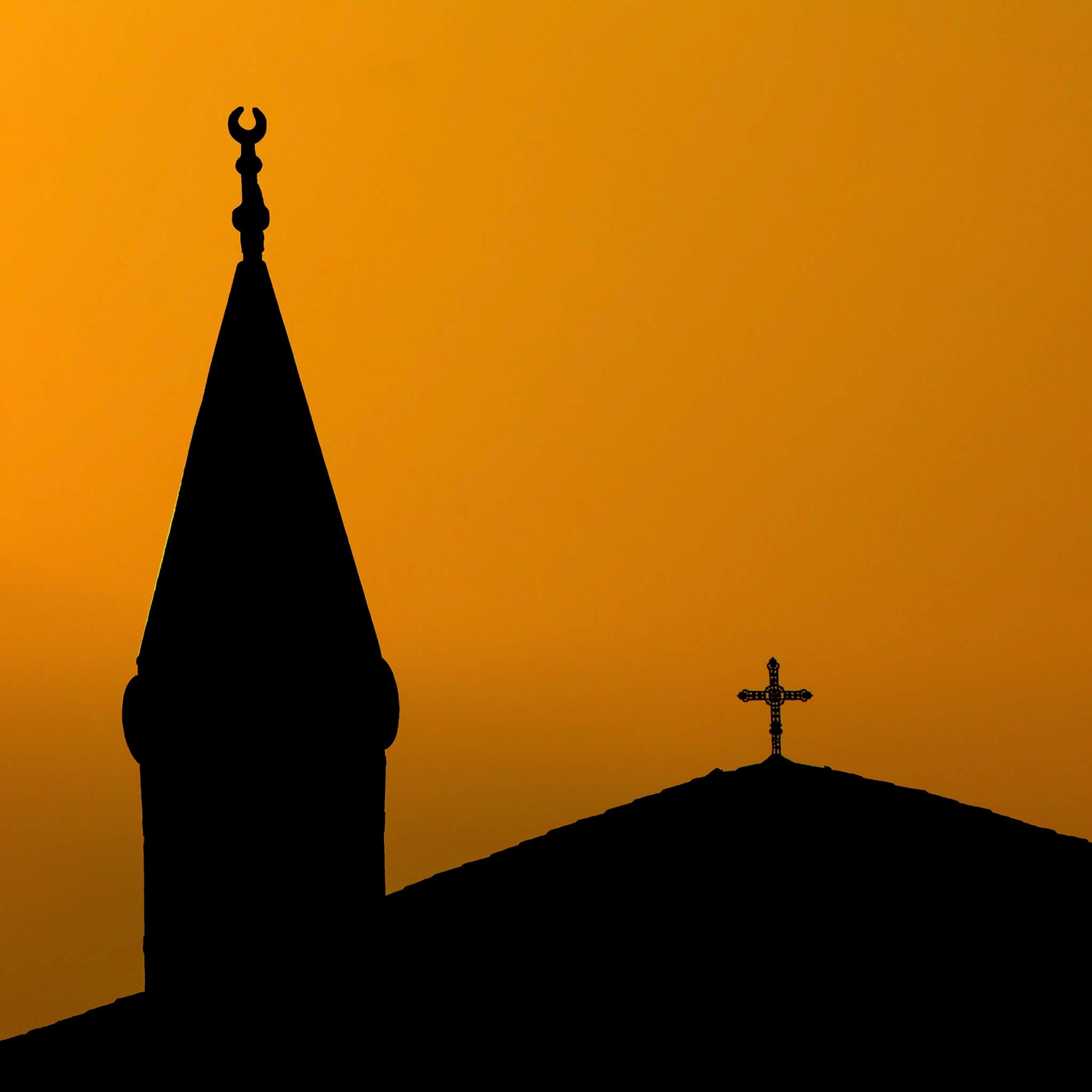
This year, two significant periods of reflection have remarkably fallen close together. Both the Christian season of Lent and the Islamic month of Ramadan invite people to pause, reconsider habits, and reorient their perspective.
The Christian fasting period has begun with Ash Wednesday and lasts for forty days until Holy Saturday ( April 4th). It recalls the time Jesus spent fasting in the desert and ultimately leads to Easter. Ramadan commemorates the month in which the Qur’an was first revealed. It also concluded with a celebration – ʿId al-Fitr – ( March 20th )marking the transition from restraint to gratitude.
During Ramadan, daily life follows a clear rhythm: from dawn until sunset, all food and drink are avoided. Only after nightfall is the fast broken. A principle of balance has always been central: instead of heavy or highly spiced foods, nourishing and easily digestible meals are recommended – such as grains, vegetables, legumes, dairy products, or halal meat – accompanied by sufficient fluids.
The evening meal to break the fast, known as Iftar, traditionally begins simply with dates and water. This is often followed by soups such as shorba and other dishes; sometimes the meal is complemented by sweets like baklava. Before dawn, a strengthening meal called suhoor is eaten – often consisting of bread, yogurt, olives, eggs, or hummus. The exact composition of the meals varies by region. Altogether the pattern corresponds to a sequence of dayly intermittent fasting periods with a reversal of the circadian rythm of daytime eating and nighttime fasting.
In Christianity, the fasting season is also shaped by rules and traditions, although these are often observed less strictly today. Classical elements include abstaining from meat on Fridays and strict fasting on Good Friday. In addition, many believers individually decide what they wish to give up – for example sweets, media consumption, alcohol or smoking. Fasting is practiced particularly rigorously in the Orthodox Church, where believers abstain from animal products and even olive oil for extended periods, following a simple, often vegan diet.
Despite all differences, both traditions share a common core. Fasting is not merely about abstaining from food. It is an exercise in moderation, self control and awareness – a conscious reduction that creates space: for prayer, for compassion, and for lived charity. In this intentional renouncement, one’s perspective can become clearer, allowing a deeper discernment of what truly matters – for me and the others around me.
This might also interest you: