





GLUCOSE MONITORING AFTER FASTING
Glucose Monitoring in the “FastForward Program” and our ongoing “FastForward Study”
The transition from a fasting period back to regular nutrition represents a sensitive phase for our metabolism and eating behavior. During fasting, the metabolism adapts to a minimal caloric intake; with the reintroduction of food, hormone production, digestive processes, and especially glucose metabolism shift back to the eating mode. In our “FastForward Program”, we support patients during this phase in a structured way through medical supervision and individualized nutritional counseling in order to promote a stable and health-supporting dietary pattern.
One tool that is increasingly used in this context is continuous glucose monitoring (CGM). Patients wear a small sensor on the upper arm for about 14 days after fasting—beginning with the gradual reintroduction of food—the FreeStyle Libre Continuous Glucose Monitoring System. The sensor measures glucose concentration in the tissue at short intervals and allows continuous visualization of glucose patterns in everyday life.

Continuous glucose monitoring (CGM) after fasting: a sensor worn on the upper arm tracks glucose levels in daily life for around 14 days, making metabolic responses visible.
The measurements show how glucose levels respond to different foods, meals, meal timing, or everyday routines such as physical activity, sleep, and other daily events. This information can help individuals make more conscious dietary decisions and better understand their metabolic responses.
Patients who are interested in this tool can contact their treating physician, the nursing staff, or the nutrition counseling team at the clinic. There they will receive information about its use, the duration of monitoring, and the interpretation of the recorded values.
The “FastForward Program” is currently under development and will build on the results of our “FastForward Study”. In the meantime, you can already book the CGM service as well as individualized nutritional counseling (by phone or video) to support your return to everyday life. Prices can be found in the Buchinger Wilhelmi clinics’ price list.
Parallel to the clinical care, data are scientifically analyzed within the framework of our “FastForward Observational Study.” In addition to continuously measured glucose data, study participants document their meals photographically using the app „MyFoodRepo“, which was developed at the École Polytechnique Fédérale de Lausanne (EPFL). By combining glucose measurements with documented food intake, relationships between nutrition, glucose dynamics, and metabolic adaptability can be systematically investigated.
In a subgroup, we additionally measure ketone bodies continuously during the fasting period alongside glucose levels. Ketone bodies are produced when the body switches to fat metabolism. This allows us to observe how ketone levels develop over the course of longer fasting periods and how glucose and ketone concentrations relate to each other. Ketone bodies appear when metabolism has switched to fat burning. These data provide information on how the body adapts from fasting mode to eating mode (metabolic switch).
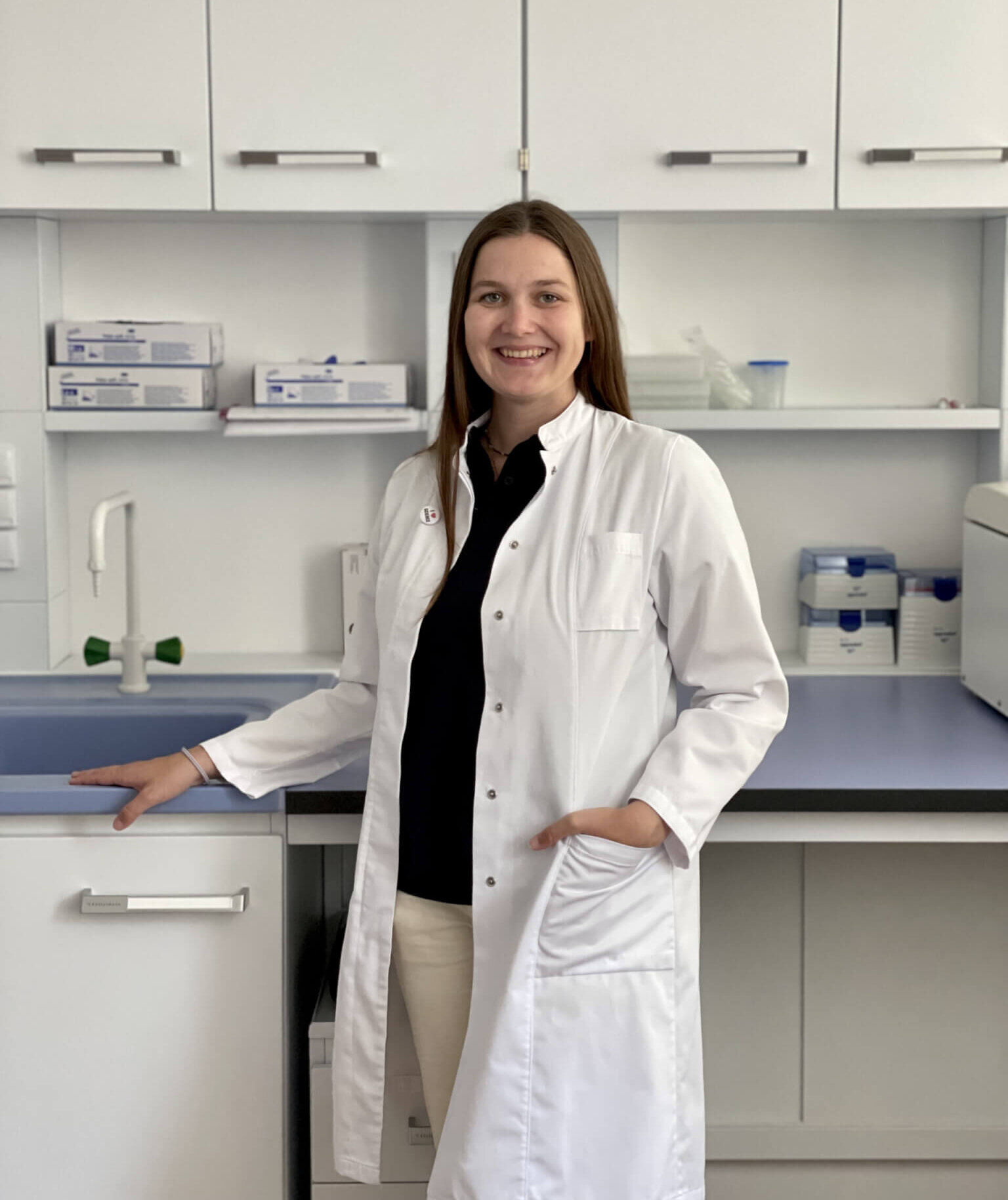
Marie Knufinke, PhD candidate
in the Buchinger Wilhelmi science team
This might also be interesting to you:

